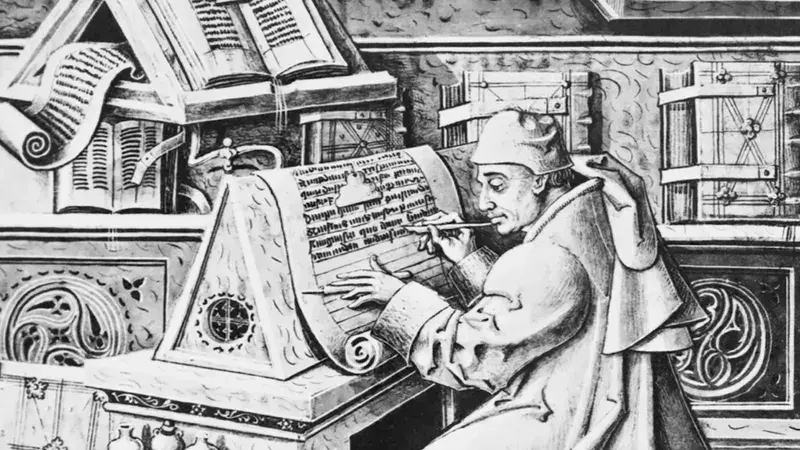
Where content ends, typography speaks.
In today’s digital landscape, the modern creative process has undergone a massive transformation. A significant portion of the assets we see online now relies heavily on Artificial Intelligence. From copy generated in seconds to AI-synthesized imagery, video production, and even full musical tracks, automation is everywhere. Even world-renowned luxury brands are embracing this shift, integrating generative AI directly into their high-profile promotional campaigns.
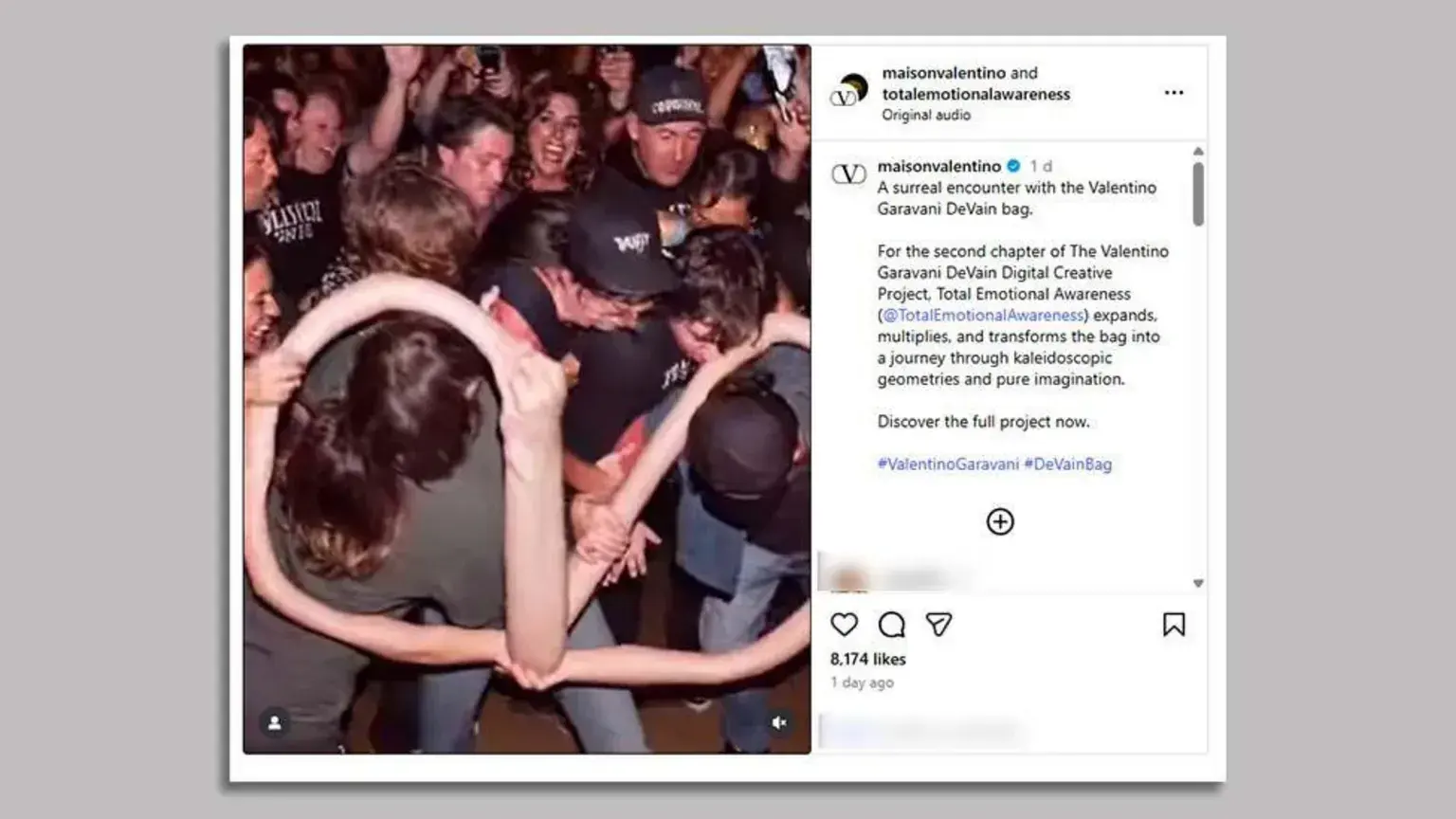
Take, for instance, high-fashion powerhouses like Valentino, which have experimented with AI tools to build surreal, atmospheric visual narratives for recent campaigns. While machines can render hyper-realistic lighting, intricate textures, and flawless copy in an instant, one element stands resilient as a holdout of authentic craft: typography.
Selecting, pairing, and tweaking typefaces remains one of the few creative domains where the subtle eye, instinct, and emotional intuition of the human designer are paramount. Choosing the right font is no longer merely an aesthetic decision. It has evolved into a strategic anchor—a direct, almost ancestral channel through which a brand connects with its audience.
Whether you are designing a menu for a neighborhood bistro, crafting a bold vinyl album cover, printing a poster for a local community center, layouting a high-fashion magazine, or branding an everyday item like a lighter, typography speaks directly to the subconscious. It taps into the very roots of marketing, culture, and human trade, preserving the authentic human connection that no algorithm can truly replicate.
Typography is a response to a context, and it is a reaction to a content
Massimo Vignelli
January 10,1931 – May 27, 2014•Italian designer active in graphic design, industrial design, furniture, and architecture
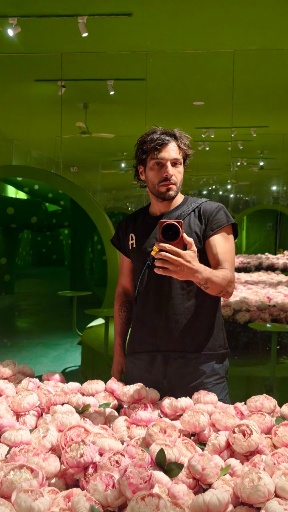
Written by Roberto Barbagallo
August 08, 2026